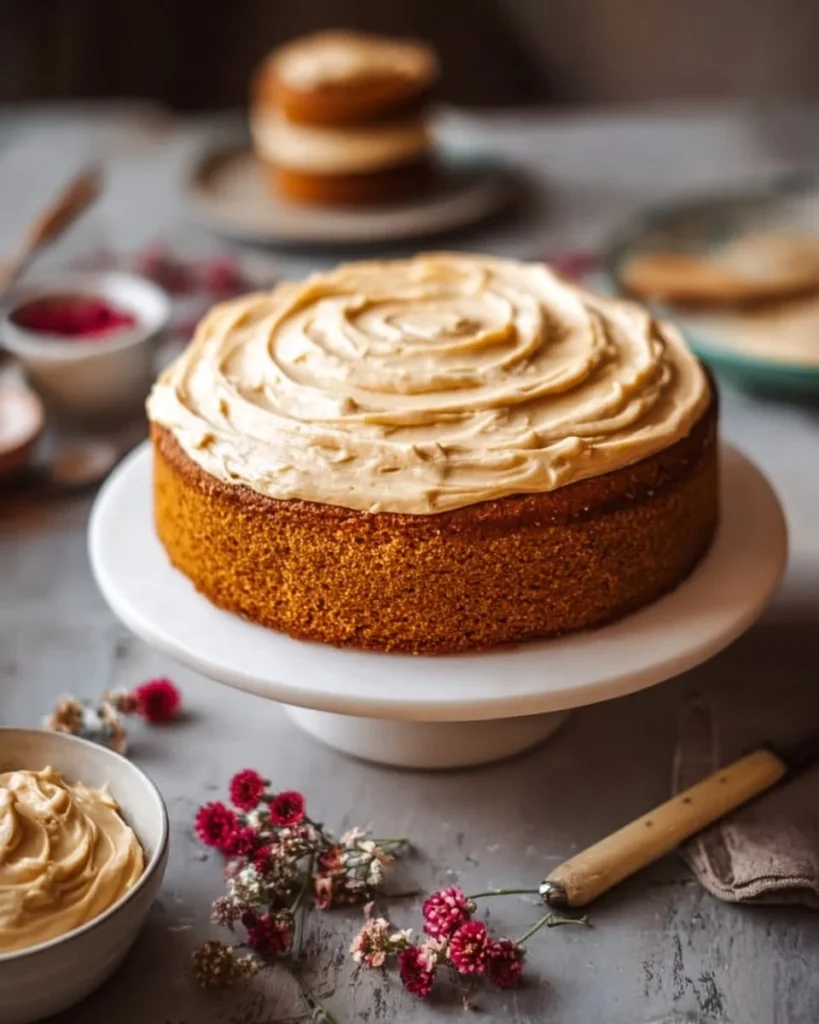
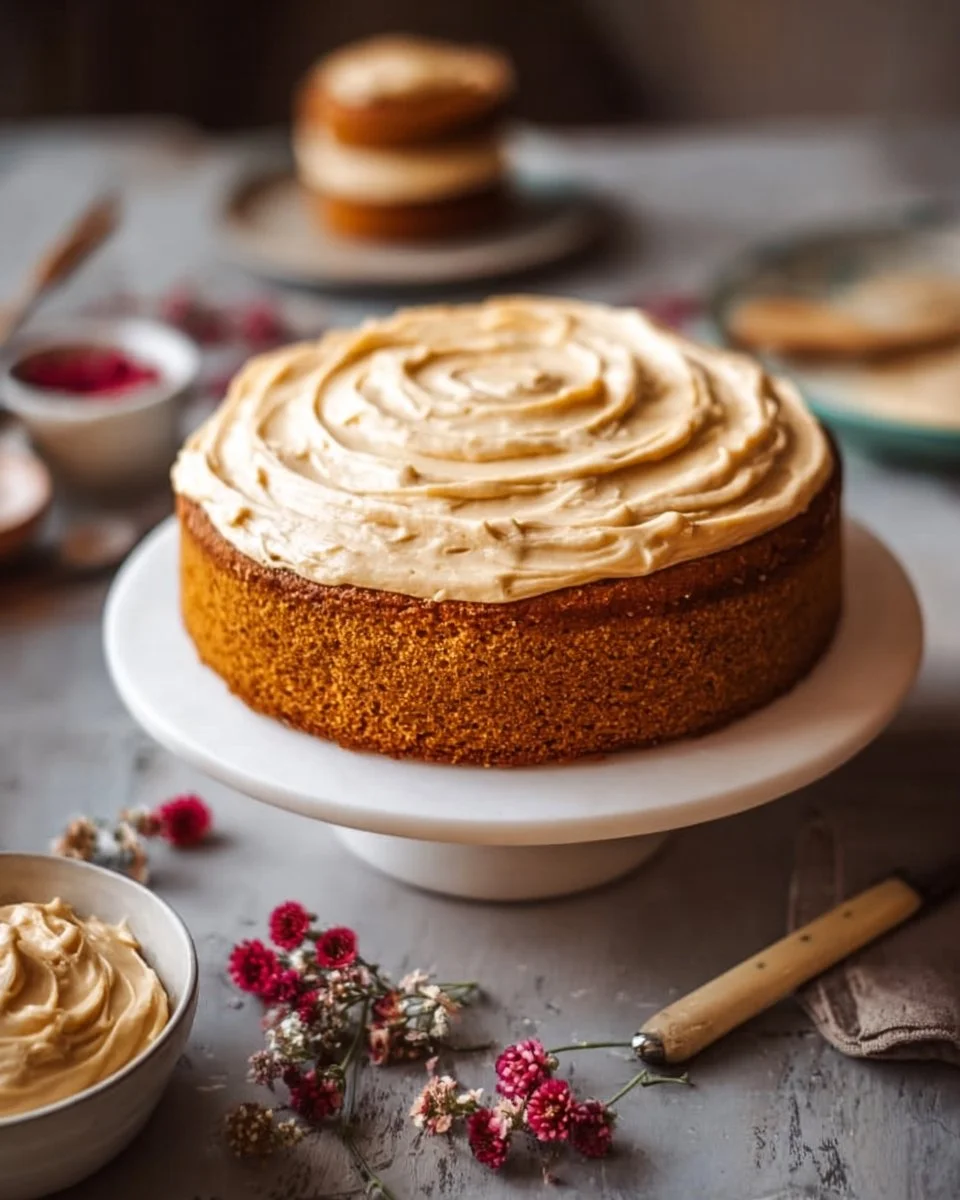
Easy Delicious Brown Butter Frosting
Honestly, the first time I browned butter for frosting I thought I’d set the smoke alarm off and ruined a respectable pan. To be real, I was trying to make something fancy for a lazy Sunday — you know, one of those days that starts with pajamas and coffee and somehow ends with me standing over the stove, hair in a messy bun, thinking, “This will be worth it.” Within the first 100 words of this post I want you to know two things: this frosting is shockingly simple and it pairs with so many budget-friendly recipes and quick family meals because a jar of this stuff upgrades anything. I also want to slip in easy weeknight dinners because hey, frosting can salvage a cake that was supposed to be a dinner centerpiece, right?
That first attempt was part triumph, part culinary oops. I burned the edges of the butter, learned how the pan’s bottom caramelizes, and then tasted this nutty, caramel-y aroma and thought, “Whoa.” It felt like discovering a secret spice closet in your own kitchen. The smell filled the apartment with warm, toasted notes — like late autumn sweaters and a Netflix queue that only sees rom-coms. The texture becomes satin-smooth when you beat it with powdered sugar and cream; the first swipe of frosting on a cupcake felt like wrapping a cookie in a tiny, buttery blanket. I didn’t expect how emotional I’d get about butter, but here we are.
This recipe matters to me because it’s a bridge between small, messy kitchen victories and the big moments. It’s the frosting I slathered on a birthday cake when my cake layer collapsed and no one cared because the frosting was that good. It’s the stuff I keep in the fridge for a midnight spoonful (guilty), the thing that made my grandmother ask me for the recipe even though she swears nothing replaces her original buttercream. If you’re into healthy comfort food or meal planning chicken lists, you might think frosting isn’t on the menu, but trust me — a little indulgence makes everything feel homier.
This post is a warm, flour-splattered chat. Expect kitchen disasters (I’ll tell you about the time my mixer caught frosting like it was trying to eat the bowl), sensory overload, and tiny triumphs. You’ll get troubleshooting tips, high protein meals-friendly mindset detours (because cookies postpone protein talk), and ways to turn this frosting into a quick treat for guests — plus a few notes on pairings that will make you close your eyes and sigh.
Why You’ll Love This Recipe
- It’s outrageously simple: one cup of butter transforms into something gourmet with a little patience — perfect for busy folks who like quick family meals that still feel special.
- Hug-in-a-bowl vibes: the nutty, caramel notes make desserts taste like a cozy night in, which pairs nicely with healthy meal plans for two that deserve dessert too.
- Versatile and forgiving: smear it on cupcakes, fold into frosting swirls, or dollop over cookies — this makes leftover brownies turn into a new dessert (and that’s a budget win for cheap meal plans for 2).
- Makes cakes look professional with zero piping skills. Seriously, even my first attempt looked like I tried.
- Keeps well, so it helps with meal prep microwave lunches that need a sweet ending or an emergency frosting emergency.
- Picky eater approved: the flavor is familiar (but elevated) — no weird flavors that scare off kids or in-laws.
What Makes This Recipe Special?
Brown butter is, to me, the culinary equivalent of turning on string lights in a living room that used to be fluorescent-lit. That little browning step does two things: it deepens flavor with a toasty, almost hazelnut note, and it makes the entire frosting taste like it took three times longer to make than it actually did. Unlike regular buttercream, you get a buttery richness without cloying sweetness. It’s a simple trick that elevates any cake into nostalgia territory.
I love that it’s incredibly adaptable. Want to add a touch of sea salt? Go ahead — it becomes salted caramel in spirit. Want to fold in a little cream cheese? It becomes tangier and brunch-ready. The browned butter carries other flavors beautifully; it’s not overpowering, but it’s definitely the lead singer. Also, if you’ve ever been nervous about beating powdered sugar into butter (I was — very messy at first), this version is forgiving. The butter’s texture and the heavy cream smooth everything out. Trust the process — and the pan scrapes.
Ingredients
- 1 cup unsalted butter — The star. Use real butter (not margarine) for that nutty, toasty flavor when browned. I usually reach for a European-style butter when I’m feeling fancy because the higher fat content gives silkier texture and more flavor. Don’t use salted butter here unless you’re careful with the extra pinch of salt.
- 4 cups powdered sugar — This is what gives structure and sweet balance. Sift it if it’s lumpy or if your storage room is humid. If you want the frosting less sweet, taste as you go and reduce slightly, but don’t go too low or the texture will be off.
- 1/4 cup heavy cream — Adds richness and smoothness. If you want looser frosting, add more by the tablespoon. For a lighter option, use whole milk, but the frosting won’t be as glossy.
- 1 teaspoon vanilla extract — The background singer that makes everything taste complete. Use pure vanilla if you can; it’s worth it.
- Pinch of salt — This wakes up the flavors and balances the sweetness. If you used salted butter, start with an even smaller pinch.
Why each ingredient matters: butter browns and creates flavor, powdered sugar forms the structure and sweetness, heavy cream controls consistency and mouthfeel, vanilla adds aroma, and salt ties it together. Don’t do this: don’t rush the browning process by cranking the heat. You’ll go from golden to burnt in a heartbeat. Also don’t dump everything into the bowl while the butter is piping hot — let it cool slightly or you’ll have a powdered sugar soup. Mix at medium speed to avoid a powdered sugar puff storm that coats your kitchen like a sugar snow globe.
Brand preferences: I like Kerrygold or Plugrá for butter when I want extra depth. For powdered sugar, Domino works fine; if you live somewhere humid, put a packet of sugar saver (or dry rice in a bowl) in the cupboard. For vanilla, I buy a mid-tier pure vanilla — you don’t need the expensive stuff for frosting, but stay away from artificial vanilla if possible.
Substitutions: use vegan butter and non-dairy cream for a dairy-free version but expect slightly different flavor. For a tangier profile, swap half the heavy cream with full-fat Greek yogurt (beat cautiously). If you need less sugar, try 3 cups then taste and add as needed — but remember texture changes.
How to Make It Step-by-Step
I’ll say it again: patience is the secret. Browned butter rewards you if you’re attentive.
- Prep and mindset: Set out your butter, powdered sugar, cream, vanilla, and salt. I usually measure sugar into a large bowl so it’s ready. Line the saucepan nearby and put on some tunes. Brown butter has a way of demanding your attention — it likes to be watched like a toddler near a bathtub.
- Browning the butter: Place the butter in a medium saucepan over medium heat. Cut it into chunks so it melts evenly. As it melts, it will foam, then subside, then foam again. Stir constantly with a heatproof spatula or wooden spoon. I use a stainless steel pan so I can watch the color change — the butter will go from yellow to golden to a light brown with tiny brown flecks. The aroma changes from dairy-sweet to nutty and toasty. That smell made my neighbors check if I’d taken up baking professionally. When you see brown specks and smell that hazelnut aroma, remove it from the heat immediately. Don’t walk away. I once left it for two seconds to answer my phone and learned what “charred butter” smells like. Oops.
- Cool the butter slightly: Pour the browned butter into a heat-safe bowl and let it cool for a few minutes. It shouldn’t be scalding, but it should still be a little warm. If it’s piping hot, it will melt the powdered sugar and your frosting will be runny. If it cools too much and solidifies, you can gently warm it again, but medium warmth is ideal. I learned this the hard way; my first bowl turned into a glaze because I dumped it while it was molten lava — lesson learned.
- Combine dry ingredients: While the butter cools, measure the powdered sugar and add a pinch of salt. I always sift the sugar because I like a silky final texture, but if you’re in a rush and your sugar is lump-free, you can skip it.
- Mix: Add the browned butter, heavy cream, and vanilla to the powdered sugar. Start mixing on low to avoid a sugar puff. Then increase to medium speed and beat until smooth and creamy. The frosting should be spreadable but hold up; if it’s too stiff, add heavy cream a tablespoon at a time. If it’s too loose, add more powdered sugar. I like mine slightly glossy and soft enough to glide on a cake without tearing crumbs.
- Taste test and adjust: Taste a little (this is the best step). If it needs more depth, a smidge more salt helps. Want it extra vanilla-y? Add another half teaspoon. Want it boozy? I sometimes add a teaspoon of bourbon (yes, but only if you’re okay with boozy desserts — it’s optional).
- Use immediately or chill: Use it to frost cupcakes, a layer cake, or even warm brownies. If you refrigerate, the butter will firm up; beat again before using to restore texture.
This process is sensory-rich. You’ll hear a gentle sizzle in the pan as moisture leaves the butter, smell that toasty note like toasted marshmallows, and see golden flecks like confetti. The first time I mixed the warmed butter into powdered sugar I giggled because it transformed before my eyes. Keep a towel handy — powdered sugar gets airborne. When kids or guests taste it, their faces will pause mid-chew and you’ll see the little nod that says, “Yes, this is special.”
Tips for Best Results
- Use medium heat for browning. High heat equals fast burning. Be patient.
- Watch for color and smell, not just time. Butter can go from golden to burnt in moments.
- Use a light-colored pan so you can see the change. Nonstick hides the browning flecks.
- Cool the butter enough so it won’t melt the powdered sugar, but not so cold that it solidifies.
- Add cream slowly to control consistency — a tablespoon at a time.
- Don’t skip the pinch of salt — it balances the sweetness and makes flavors pop.
- If your frosting is grainy, beat longer. Sometimes the sugar needs a few extra minutes to dissolve.
Ingredient Substitutions & Variations
- Dairy-free: Use a quality vegan butter and coconut cream. The flavor will be different (think coconut undertones), but it’s delicious in its own right.
- Lighter version: Swap half the heavy cream for whole milk, or use 3 cups powdered sugar for a less sweet version. Texture will vary; adjust with small dollops of cream.
- Cream cheese twist: Fold in 4 oz softened cream cheese for tangy richness — it’s amazing on carrot or spice cakes.
- Citrus upgrade: Add 1 teaspoon orange zest for a bright note that balances richness. Lemon zest can also cut through the butter’s depth.
- Brown sugar boost: Replace 1 cup of powdered sugar with 1/2 cup brown sugar (sifted) for molasses-y depth; note texture change.
- Boozy option: A teaspoon of bourbon or rum folded in at the end gives grown-up complexity.
- Spices: Sprinkle in 1/2 teaspoon cinnamon or cardamom for fall vibes.
Directions
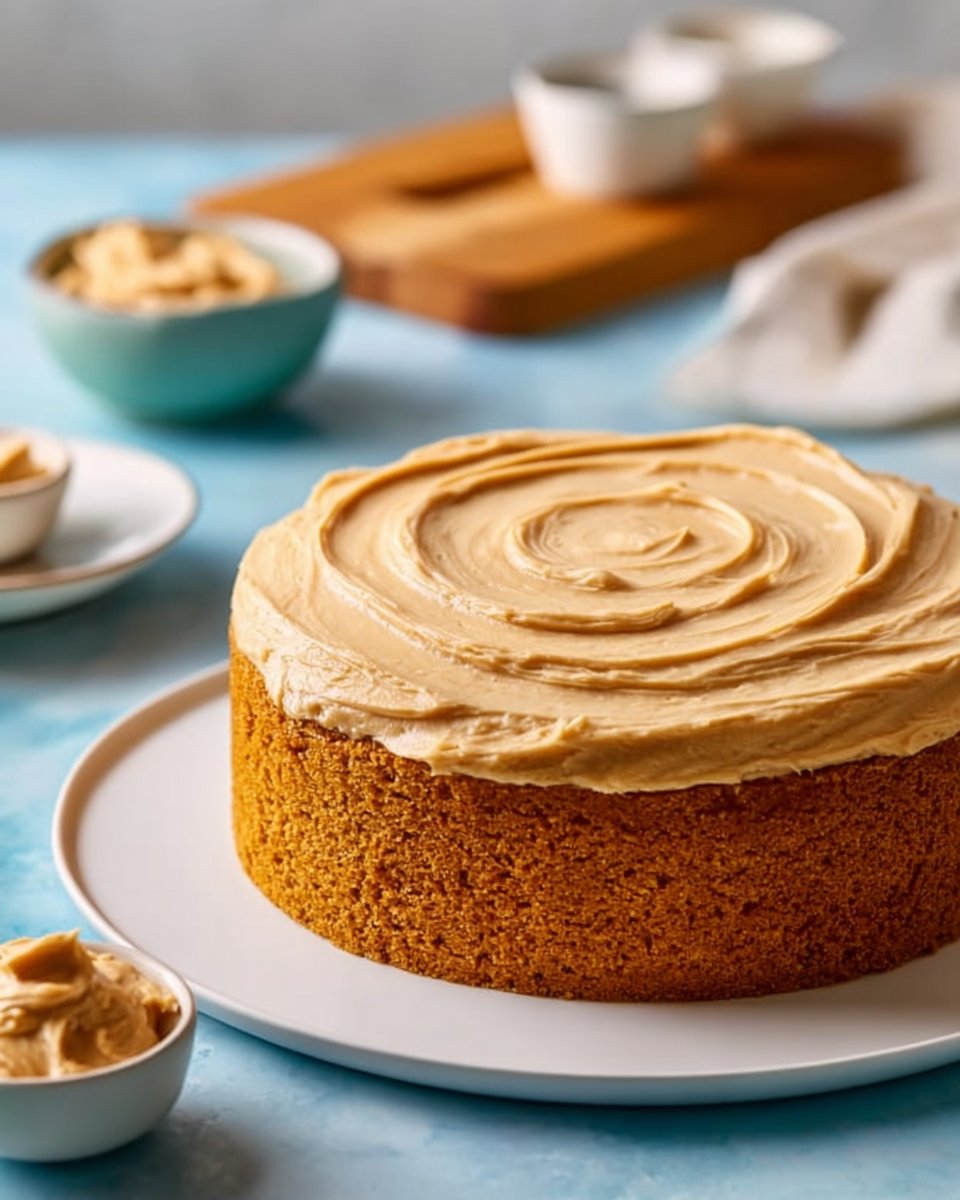
In a medium saucepan, melt the butter over medium heat, stirring constantly until it turns a golden brown and has a nutty aroma. Remove from heat and let cool slightly. In a mixing bowl, combine the powdered sugar and salt. Add the browned butter, heavy cream, and vanilla extract to the powdered sugar mixture. Beat on medium speed until smooth and creamy. Adjust the consistency with more heavy cream if needed. Use immediately to frost cakes or cupcakes, or store in the refrigerator for up to a week.
Pairing Ideas (Drinks, Sides, Desserts)
This frosting pairs like a charm with many desserts and a surprising few savory moments. Think of it as the silky companion to the cake you’re making for dinner guests, or as the finishing touch for a dessert board.
- Cakes: Classic yellow cake, brown butter cake, spice cake, or carrot cake. The nutty profile elevates plain cakes into something thoughtful.
- Cupcakes: Vanilla, chocolate, or salted caramel cupcakes — perfect for quick weeknight celebrations or prepared meals for two date nights.
- Brownies and bars: Spread over brownies for an upscale touch; it turns a regular brownie into a bakery-style treat.
- Cookies: Sandwich two soft cookies with a dollop of frosting for a cookie-sandwich that’s dangerously good.
- Drinks: A cup of coffee (black or with a splash of cream) brings out the butter’s roastiness. For fancy, hot chocolate or chai also pair well.
- Brunch: Slather on cinnamon rolls or use as a dip for waffles. It works surprisingly well with breakfast pastries.
- Emotional pairing: This and a rom-com is perfection. Also works for late-night fridge raids when the world feels too big.
How to Store and Reheat Leftovers
Store in an airtight container in the refrigerator for up to a week. The butter will firm up — that’s normal. When ready to use, bring to room temperature or beat gently with a hand mixer to restore fluffiness. If you need it looser, add cream by the tablespoon until you get the desired consistency.
Avoid reheating in a microwave for extended times; short 5–10 second bursts with stirring in between are okay, but heat evenly to prevent separating. If it looks separated or greasy, beat it with powdered sugar and a splash of cream to bring it back.
Common mistake to avoid: do not leave at room temperature for days. Good buttercream needs refrigeration if not eaten within a day in warm climates.
Make-Ahead and Freezer Tips
Make-ahead: You can make this frosting two days in advance and store it refrigerated. Re-whip before using.
Freezer: Freeze in a sealed container for up to 3 months. Thaw overnight in the fridge, then bring to room temperature and re-beat. It won’t be quite as fluffy as fresh, but it survives freezing well and is perfect for emergency desserts or when you’re doing meal prep microwave lunches that suddenly need a treat.
Labeling tip: Write the date on the container. I once found a container in my freezer labeled “Probably frosting?” and it was.
Common Mistakes to Avoid
- Burning the butter: The biggest sin. Stay attentive and use medium heat.
- Adding hot butter to powdered sugar: This creates a runny mess. Cool slightly.
- Overbeating at high speed: This can whip too much air into the frosting, making it unstable. Keep it medium.
- Skimping on salt: Too sweet without a hint of salt.
- Using a dark pan: You won’t see browning properly. Use a light pan to judge color.
- Storing incorrectly: Exposing to air creates a crust. Always use airtight containers.
Frequently Asked Questions (FAQ)
Q: Can I use salted butter?
A: Yes, but reduce or omit the pinch of added salt. Taste as you go.
Q: How long does this frosting keep?
A: In the refrigerator, up to one week. In the freezer, up to three months.
Q: Can I make it ahead for a party?
A: Absolutely. Make it a day or two ahead, refrigerate, then re-whip before using.
Q: Is it possible to brown butter without a stove?
A: The stove is best. Browning requires direct heat; a microwave won’t give reliable results.
Q: Can I color this frosting?
A: Yes, gel food coloring works best so you don’t thin the frosting. Add a tiny amount and mix.
Cooking Tools You’ll Need
- Medium saucepan (light-colored if possible)
- Heatproof spatula or wooden spoon
- Mixing bowl
- Electric mixer or stand mixer (hand mixers work too)
- Measuring cups and spoons
- Heat-safe container for cooling the butter
- Airtight storage container
Final Thoughts
This brown butter cake frosting is one of those recipes that quietly changes your dessert game. It’s simple, forgiving, and tastes like you spent a lot more time in the kitchen than you actually did. I’ve spread it on lamingtons, smeared it over birthday cakes that were more “homey” than “Pinterest-perfect,” and I’ve even eaten it straight from a spoon at 11 p.m. with a flashlight because, honestly, that’s how good it is.
If you’re new to browning butter, go slow and savor the moment — it smells like warmth and small celebrations. If you’re a seasoned baker, treat this as a secret weapon: a little bit of browned butter makes everyday desserts feel like an event. Try a cinnamon twist or a cream cheese swirl and then tell me I’m wrong. I dare you.
If you enjoyed this recipe, don’t forget to save it on Pinterest or share it with a friend!
Conclusion
For another take on the technique and detailed photos, I often compare notes with this lovely Brown Butter Frosting Recipe – The Baker Chick which helped me refine my browning stages. If you want a slightly different approach that includes step-by-step photos and variations, check out Brown Butter Frosting – My Baking Addiction for inspiration. For a buttercream-forward spin and piping ideas, this version at The Best Brown Butter Buttercream Frosting – Two Sisters is a great resource. And if you’re curious about a cream cheese hybrid, this recipe at Brown Butter Cream Cheese Frosting (Fan-Favorite!) – Sally’s Baking is a delicious read.
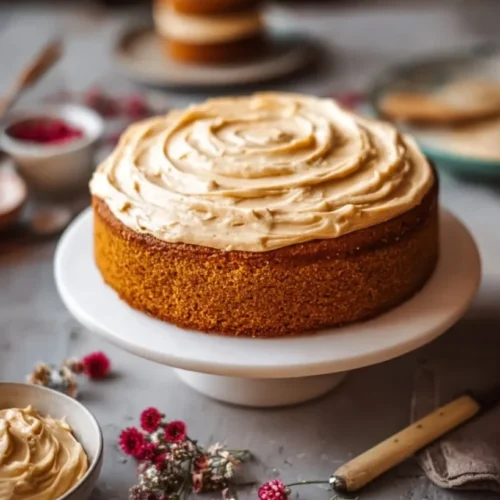
Brown Butter Frosting
Ingredients
For the Frosting
- 1 cup unsalted butter Use real butter for best flavor; European-style butter is recommended.
- 4 cups powdered sugar Sift if lumpy for a smoother texture.
- 1/4 cup heavy cream Adjust for desired consistency; can substitute with whole milk.
- 1 teaspoon vanilla extract Use pure vanilla if possible.
- 1 pinch salt Balances sweetness; reduce if using salted butter.
Instructions
Preparation
- Set out your butter, powdered sugar, cream, vanilla, and salt.
- Measure powdered sugar into a large bowl and line the saucepan nearby.
Browning the Butter
- Place the butter in a medium saucepan over medium heat, cut into chunks for even melting.
- Stir constantly until it foams, then subsides and begins to turn golden brown with nutty aroma.
- Once you see brown specks and smell a hazelnut aroma, remove from heat immediately.
Cooling and Mixing
- Pour the browned butter into a heat-safe bowl to cool slightly.
- In another bowl, combine the powdered sugar and a pinch of salt.
- Add in the browned butter, heavy cream, and vanilla to the sugar mixture.
- Mix on low speed to avoid a sugar puff, then increase to medium until smooth.
- Adjust consistency with more heavy cream if needed.
Serving
- Use immediately to frost cakes or cupcakes, or refrigerate for up to a week.